
Surgery for cats, dogs and small animals: expert care with compassion
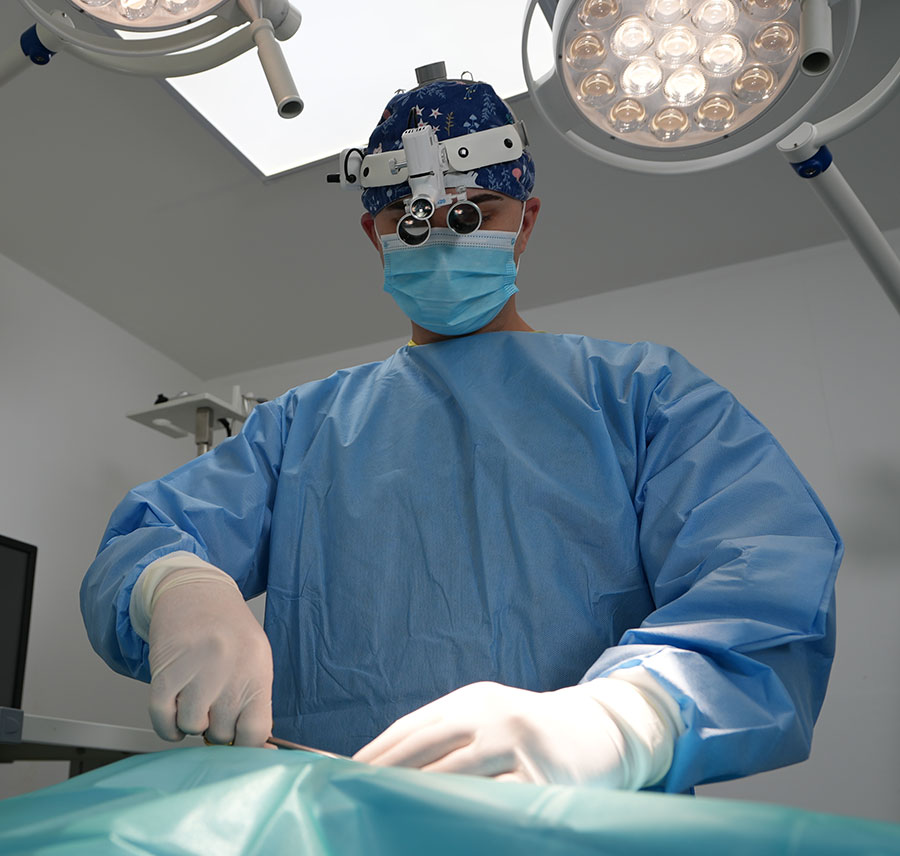
We understand that the prospect of surgery can be an emotional experience for pet owners. Whether your companion requires a routine procedure such as neutering (spay or castration), or a more advanced surgical intervention; our skilled veterinary team is dedicated to delivering exceptional care with empathy and precision. At Triovet, we offer a wide range of surgical procedures for cats, dogs and small animals – each performed with precision, compassion and a commitment to your pet’s wellbeing. Whether planned or urgent; our veterinary team ensures every surgery is handled with the highest standards of care.
We prioritise your pet’s safety and comfort throughout the entire surgical journey, from thorough pre-operative assessments to attentive post-surgical recovery, ensuring they receive the highest standard of care every step of the way.
Common Types of Veterinary Surgeries
🐾 Routine Surgeries
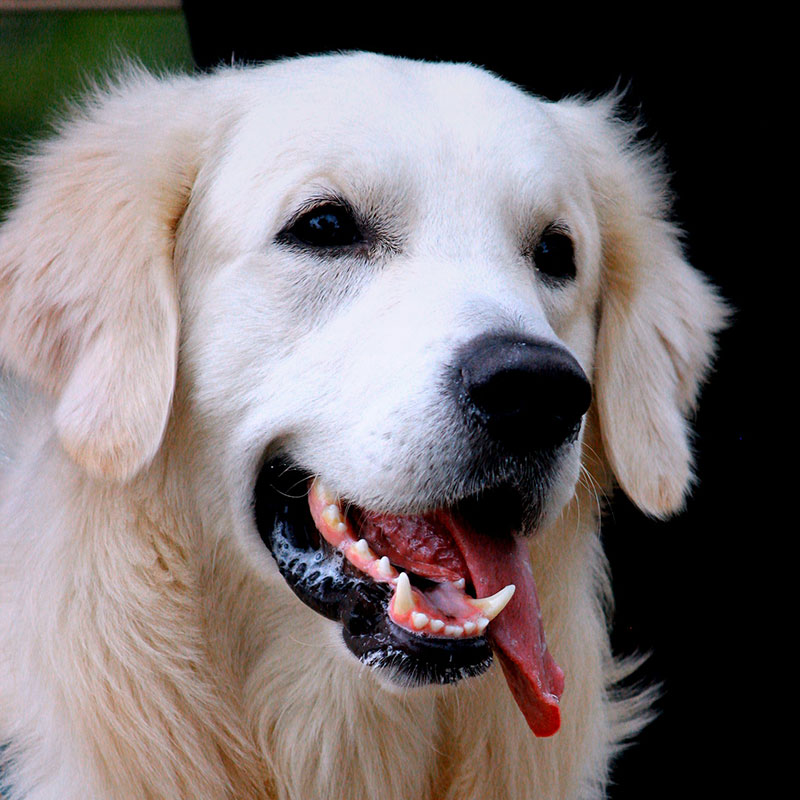 Routine procedures are an essential part of preventive healthcare and responsible pet ownership. These surgeries are typically scheduled in advance and help maintain long-term health.
• Dental surgery: Cleanings and extractions are sometimes necessary to maintain oral health and prevent infections or tooth decay.
• Mass removal: Benign lumps or growths can be safely removed to avoid discomfort or potential complications.
🐾 Neutering: a smart choice for your pet’s health and happiness
Spaying and castrating are among the most common and beneficial procedures in veterinary medicine. These surgeries not only help prevent unwanted litters but also reduce the risk of certain cancers and improve behavioural outcomes. Choosing to neuter your pet is a responsible step toward supporting their long-term health and wellbeing. At Triovet, we offer expert surgical care for cats, dogs and rabbits, delivered with safety, compassion and a personalised approach to meet each pet’s unique needs.
What are spaying and castrating?
Spaying is the surgical removal of the ovaries and uterus in female pets, preventing pregnancy and contributing to long-term health benefits.
Castration involves the removal of the testicles in male pets, eliminating their ability to reproduce and helping to reduce certain behavioural and medical issues. Both procedures are common, safe and performed by our experienced veterinarians, ensuring your pet’s health and safety throughout the process.
🗓️ General guidelines for when to neuter your pet
The ideal timing for neutering varies based on species, breed and individual health. Below are general recommendations to help guide responsible pet care:
🐶 Dogs
• Females: spaying is typically advised before the first heat cycle, around 6–12 months, to lower the risk of mammary tumours.
• Males: castration is usually performed between 6–12 months. For large breeds, waiting until full maturity may help reduce joint-related issues.
🐱 Cats
• Females: spaying is recommended at 5–6 months, before the first heat, to prevent unwanted litters and reduce the risk of mammary cancer.
• Males: neutering can be done as early as 5–6 months. Early intervention helps curb territorial marking and aggressive behaviour.
🐰 Rabbits
• Females: spaying between 4–6 months is important, as female rabbits are prone to uterine cancer.
• Males: neutering is typically done at 3–6 months to reduce aggression and territorial behaviour, especially in multi-rabbit homes.
For personalised advice, it is always best to consult with our veterinarian team, who can recommend the most appropriate timing based on your pet’s unique needs.
🚨 Emergency Surgeries
 When a pet faces an unexpected illness or injury, prompt surgical care can make all the difference. Our experienced team is prepared to act quickly and confidently, providing skilled intervention when it matters most. We combine our medical expertise with calm and compassionate handling to ensure your pet receives the safest, most effective care during urgent situations.
• Foreign Body Removal: pets may ingest objects that become lodged in the digestive tract, requiring prompt surgical removal.
• Bloat Surgery (GDV): a critical condition in dogs where the stomach twists, emergency surgery is essential to correct it.
• Trauma Repair: severe injuries such as fractures or deep wounds often require surgical treatment to restore function and comfort.
• Pyometra: a serious uterine infection affecting unspayed cats and dogs, often triggered by hormonal changes after a heat cycle. It requires emergency surgery to remove the infected uterus and ovaries. Around 25% of unspayed pets develop pyometra by age 10. Prompt diagnosis and treatment are essential for the best outcomes.
• Exploratory laparotomy: abdominal exploratory surgery is a major procedure performed under general anaesthesia to diagnose and sometimes treat internal issues. It allows us to visually examine the abdominal organs, remove obstructions or masses and collect biopsy samples when needed. This surgery is often recommended when imaging suggests a possible blockage, such as a swallowed object, or when further investigation is needed to assess internal abnormalities like masses or inflammation. Early intervention can be both diagnostic and life-saving.
• Splenectomy: is the surgical removal of the spleen, an organ that helps filter blood and support immunity. While pets, especially dogs, can live well without it, they may face a higher risk of infection and need extra care. As with any major surgery, close monitoring and follow-up are key to a safe recovery.
• Cystotomy: this common surgical procedure involves opening the bladder and is aimed at removing bladder stones or performing bladder biopsies.
🦴 Orthopaedic Surgeries
Orthopaedic procedures address issues related to bones and joints, often caused by injury or congenital conditions. Some examples of orthapaedic surgies:
• Fracture Repair: broken bones are surgically stabilised to ensure proper healing, especially in active pets.
• Cruciate Ligament Repair: common in larger dog breeds, this surgery restores stability to the knee after ligament damage.
• Hip Dysplasia Surgery: for pets with malformed hip joints, surgical correction can relieve pain and improve mobility.
Soft Tissue Surgery for Pets
Soft tissue surgery focuses on areas of your pet’s body that don’t involve the bones or joints. This includes the skin, muscles, internal organs and body cavities. These procedures address problems such as tumours, wounds or organ issues, rather than orthopaedic conditions like cruciate ligament tears.
These surgeries can relieve discomfort, prevent illness from progressing and in many cases, protect your pet’s long term health.
Some health problems can’t be solved with medicine alone. In these cases, we may suggest soft tissue surgery. Here are some signs that may point to a deeper problem needing surgical care:
• Vomiting or not eating – If your pet suddenly stops eating or keeps vomiting, it could be a sign of a blockage, stomach twist or another internal problem.
• Lumps or bumps under the skin – A growing lump could be a tumour, cyst or abscess. Not all are dangerous, but many need to be removed for testing or treatment.
• Trouble urinating or defecating – Straining, blood in urine or hard stools can mean bladder stones, infections or rectal issues.
• Red or swollen eyes – Eye swelling or discharge may need surgery to treat problems such as cherry eye or eyelid growths.
• Swollen stomach or breathing difficulties – A large stomach or laboured breathing can point to fluid buildup, organ damage or tumours.
• Pregnancy issues or discharge – Trouble giving birth or unusual discharge may mean an emergency like a stuck puppy or uterine infection.
If you notice any of these signs, please call us to arrange an assessment.
Common Soft Tissue Surgeries in Dogs
Many soft tissue surgeries are common in general practice and can treat a wide range of health issues in dogs. Below are some of the most frequently performed ones.
• Spay (Ovariohysterectomy) or Castration
See Neutering: a smart choice for your pet’s health and happiness
• Lump or Mass Removal
Many pets develop lumps under or on their skin. These can be harmless or cancerous, therefore removal and testing are often recommended.
• Foreign Object Removal
Pets, especially dogs, often chew or swallow things they shouldn’t. When an object gets stuck in the stomach or intestines, it needs to be removed with surgery to prevent life-threatening complications.
• Bladder Stone Removal (cystotomy)
Bladder stones can cause severe pain, infection or even kidney damage if not treated. Cystotomy is a surgery to open the bladder and remove the stones that block urine flow.
• Hernia Repair
Hernias can happen when fat, tissue or organs push through a weak spot in the body wall.
• Pyometra Surgery
Pyometra is a life-threatening infection of the uterus in unspayed female dogs. It requires emergency surgery to save the dog’s life. This surgery can be higher risk than a routine spay because of the infection and toxins. Dogs are put on IV fluids, antibiotics and pain medication before and after surgery. If left untreated, pyometra can cause sepsis and death within days.
• Gastropexy (Bloat Prevention or GDV Treatment)
Gastropexy is a surgery that attaches the stomach to the body wall. It prevents or treats gastric dilatation-volvulus (GDV), a deadly condition where the stomach twists or turns over. Some owners of large, deep chested breeds choose preventive gastropexy during the neutering procedure.
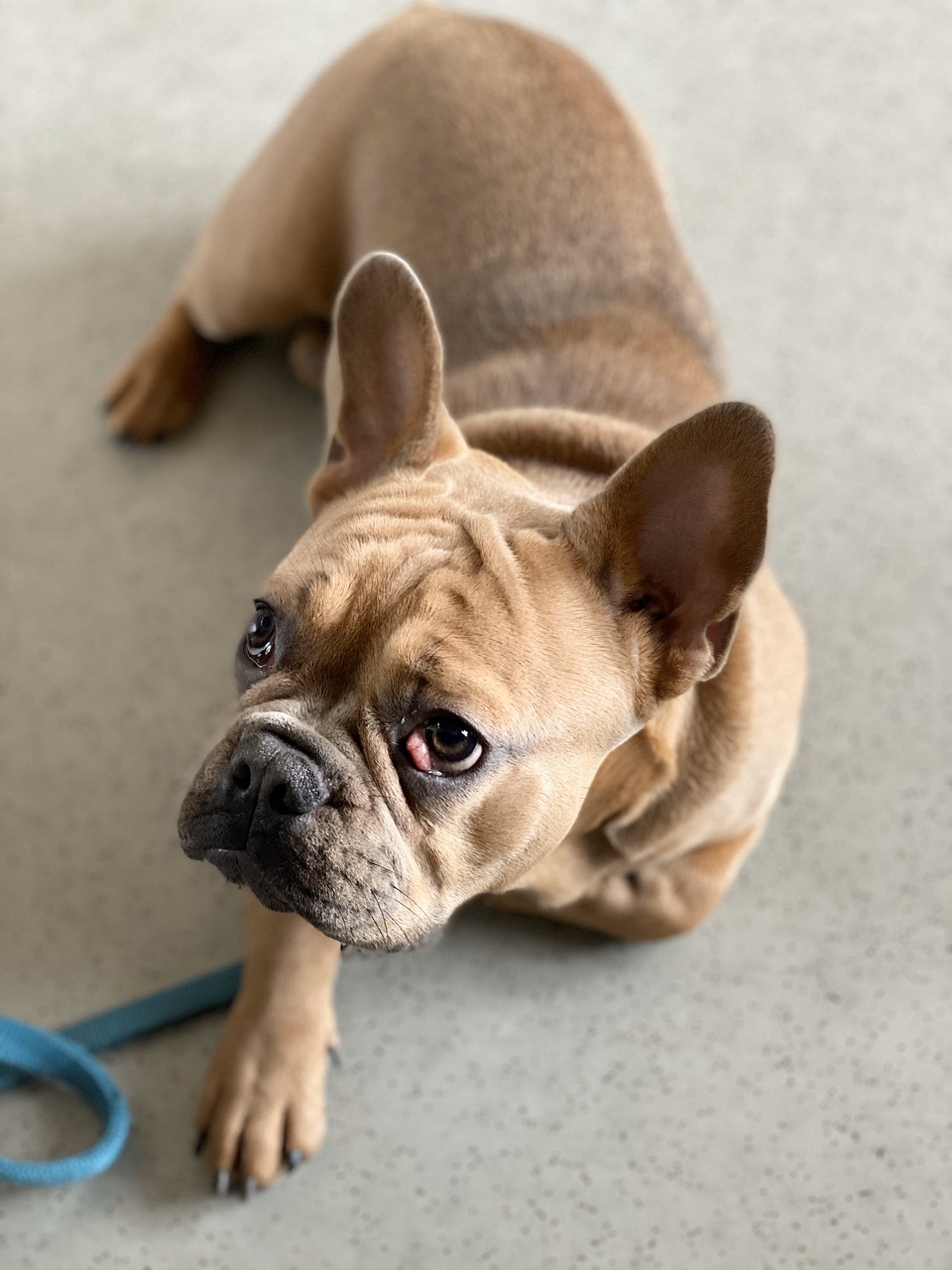 • Cherry Eye Surgery
Cherry eye develops when the tear gland in the third eyelid pops out and looks like a red lump. Surgery is needed to move the gland back into place.
• Entropion Repair (Eyelid Surgery)
Entropion is when a dog’s eyelid rolls inward, causing the lashes to rub against the eye. It can lead to pain, ulcers or scarring if untreated.
• Anal Gland Removal (Anal Sacculectomy)
Some dogs have reoccurring and continuous problems with their anal glands, which can get infected or impacted. In severe or repeated cases, surgical removal is the best solution.
• Laceration or Wound Repair
Pets can get deep cuts from fights, accidents or sharp objects. When the skin and tissues are badly damaged, surgery is often needed to properly clean and close the wound.
• Caesarean Section (C-section)
A C-section is a surgery to deliver puppies when a pet (or human!) cannot give birth naturally. It’s common in certain breeds and can be pre-planned or done in an emergency.
• Enucleation (Eye Removal)
Sometimes an eye must be removed to relieve pain or treat disease. Enucleation is performed when the eye is blind, painful or damaged beyond repair.


